Tags – Poverty

  • Attawapiskat, revisited

    While many Indigenous communities are economically impoverished, they are far from poor

    Our northern communities are rich because they know their languages. They are rich because they have strong connections to their land. They are rich because at least some of their lands exist in a natural state.

  • Letter from the editor

    Frontiers, new and old

    With the country’s largest reserves of oil, natural gas, uranium, and potash, much of which is found on Indigenous land, the Prairies will continue to be at the front lines of capitalist expansion for years to come, and are poised to become a hub of resistance. It’s time for us to imagine the West as a different kind of “land of opportunity.”

  • Meeting austerity with creativity

    The politics of community service provision

    In the face of drastic social service cutbacks, community organizers and volunteers are stepping up to fill the void. For the optimistic, this represents opportunity for building the capacity of communities to become more independent of the state. Others critique the impact this offloading has on longer term organizing for social change.

  • In sickness and in wealth

    Unmasking the social determinants of health

    In Canada and around the world, the health of the poorest people is far worse than the health of the richest – and new evidence suggests we all suffer as a result. In order to address the fundamental unfairness of this situation, we need to completely rethink not just how we do health care, but how we do politics.

  • Creative class struggle

    Gentrification and sex work in Hamilton’s downtown core

    Two downtown neighbourhoods in Hamilton, Ontario – James St. North and Landsdale – have recently been the site of several skirmishes in a gentrification war waged in the media, art galleries and on the streets themselves.

  • Unfinished business

    Sweatshops, oligarchs and the fear of a new constitution in Honduras

    For the last 10 years, Juana López Nuñez (not her real name) has spent most of her waking hours making T-shirts for the Canadian company Gildan Activewear at the company’s San Miguel factory in Honduras. Today, at age 44, she has little use of her arms and experiences constant pain in her shoulders, neck and hands. She takes painkillers throughout the day, and has had one surgery, which didn’t ease the chronic tendonitis that keeps her up at night.

  • Forging ahead

    The Ñaña knitters’ collective

    Even after the doctors had left, the Peruvian alpaca sweaters lay neatly folded in the large suitcase near the entrance. The clothing had been carefully selected, packed and transported to the edge of town the previous day in the hope that a group of foreign doctors who were passing through the area might take an interest. After perusing the collection, however, the foreigners purchased the inexpensive finger puppets in lieu of the pricier sweaters, hats and mittens.

  • The Honduran Committee for Peace Action

    Women’s community organizing under pressure

    When I asked Dr. Almendares about the legacy of COHAPAZ, he explained how instrumental these grassroots women’s organizations have been in Honduran human rights movements. “The women have learned a lot about natural medicines, first aid, and birthing through their community organizing.” Pursuing health may not necessarily seem revolutionary, but he says, “health is directly linked with the ability of these women to participate in political action that benefits their communities.”

  • The blind leading

    Gender and eye care in the Global South

    Over the past decade, much has been written about female literacy and how access to even a basic education can reduce poverty and improve the lives of women and girls. But for millions of women in the Global South, it is access to eye care that they need most.

  • Letter from the editor

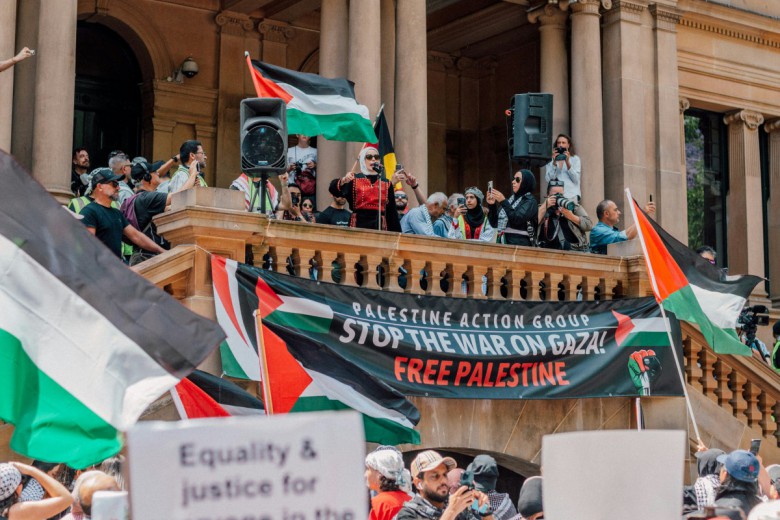
    Collective power and the responsibility to protest

    As this issue goes to press, three thousand rallies are taking place in communities around the world calling for action in Copenhagen on climate change. In February, anti-poverty and indigenous rights activists will take to the streets of Vancouver to protest the Olympics.